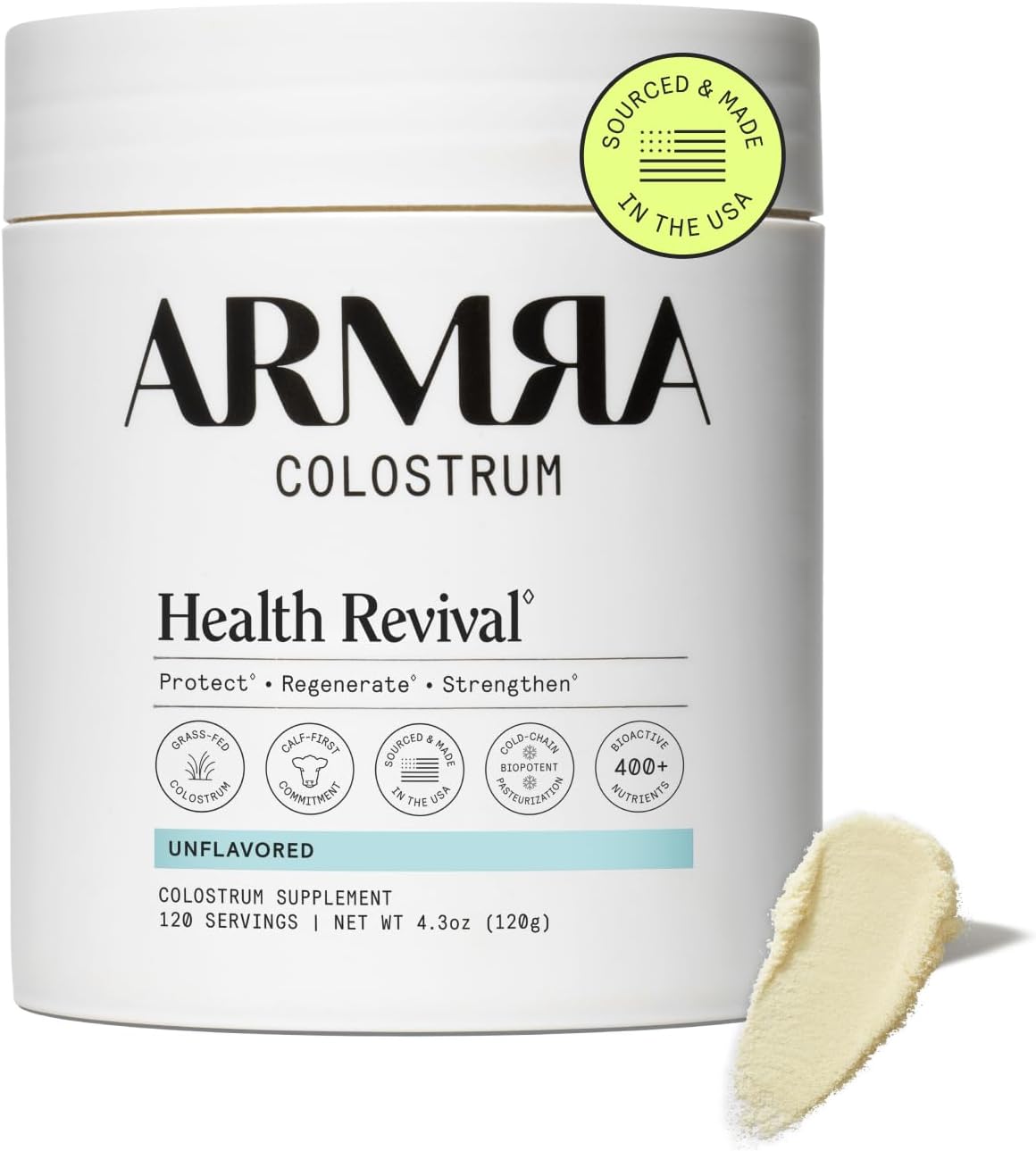
The Science Behind Colostrum: What Researchers Are Discovering
Colostrum, the first form of milk produced by mammals after giving birth, has long been recognized for its nutritional density. However, recent advances in immunology and microbiome research have sparked renewed interest in this natural substance, particularly its potential applications in human health and wellness.
A comprehensive review published in the Journal of Nutritional Biochemistry in early 2026 analyzed 47 clinical studies involving bovine colostrum supplementation. The authors concluded that certain bioactive components, particularly immunoglobulin G (IgG), lactoferrin, and growth factors, showed promising associations with improved mucosal barrier function and immune cell activity.
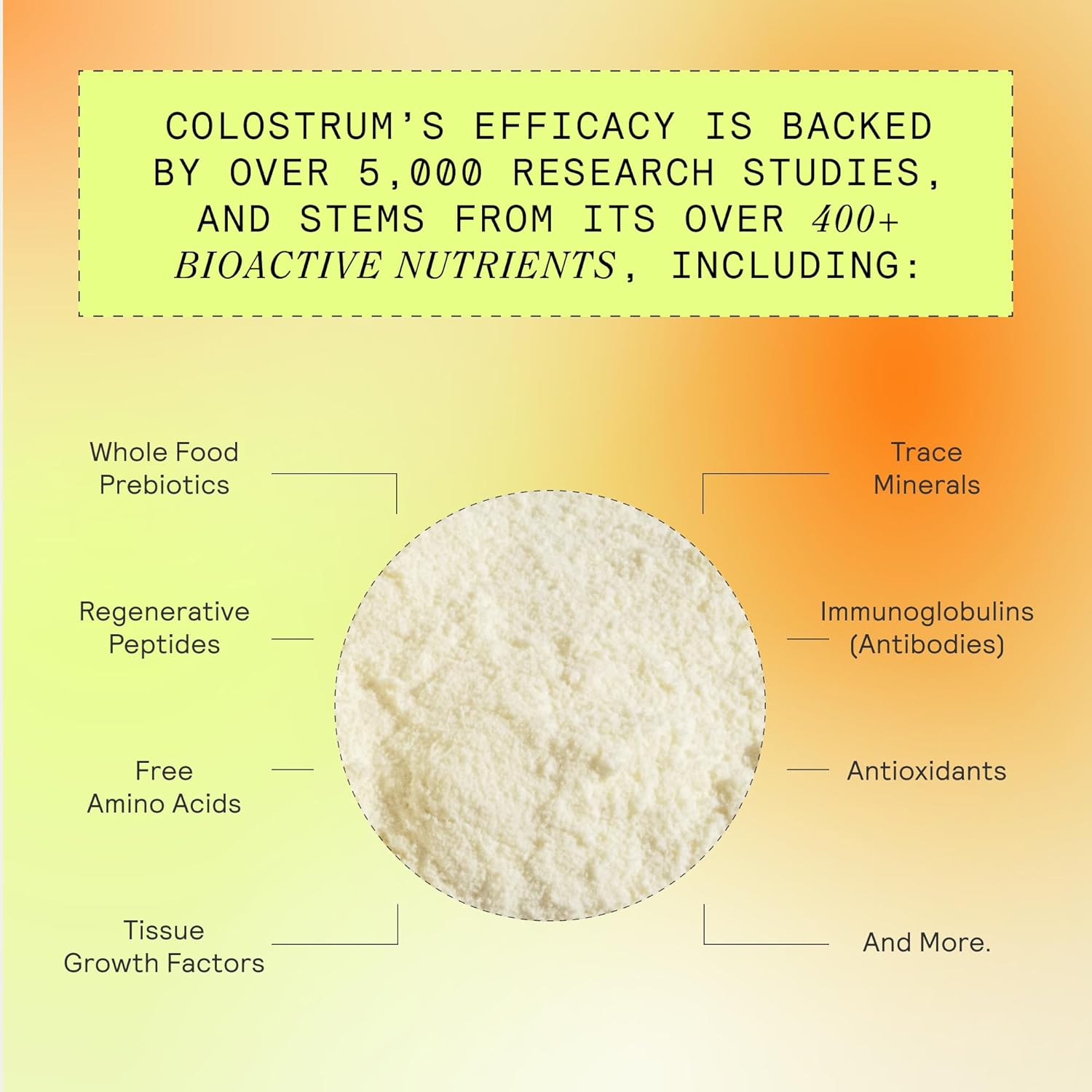
Figure 1: Bovine colostrum contains over 400 bioactive nutrients, including immunoglobulins, prebiotics, and regenerative peptides.
"The immunomodulatory potential of bovine colostrum derivatives represents one of the most compelling frontiers in nutritional immunology today."
-- Dr. Elena Vasquez, PhD, University of California, Davis
Key Bioactive Compounds Under Investigation
Researchers have identified several compounds in bovine colostrum that are currently the subject of intensive study:
- Immunoglobulin G (IgG) - The most abundant antibody in colostrum, studied for its potential to support passive immunity and gut barrier integrity.
- Lactoferrin - An iron-binding glycoprotein with documented antimicrobial and anti-inflammatory properties. The NIH recently announced funding for a multi-center trial.
- Growth Factors (EGF, TGF-beta) - Epidermal and transforming growth factors that may promote epithelial cell repair in the digestive tract.
- Oligosaccharides - Complex carbohydrates that serve as prebiotics, supporting beneficial gut bacteria populations.
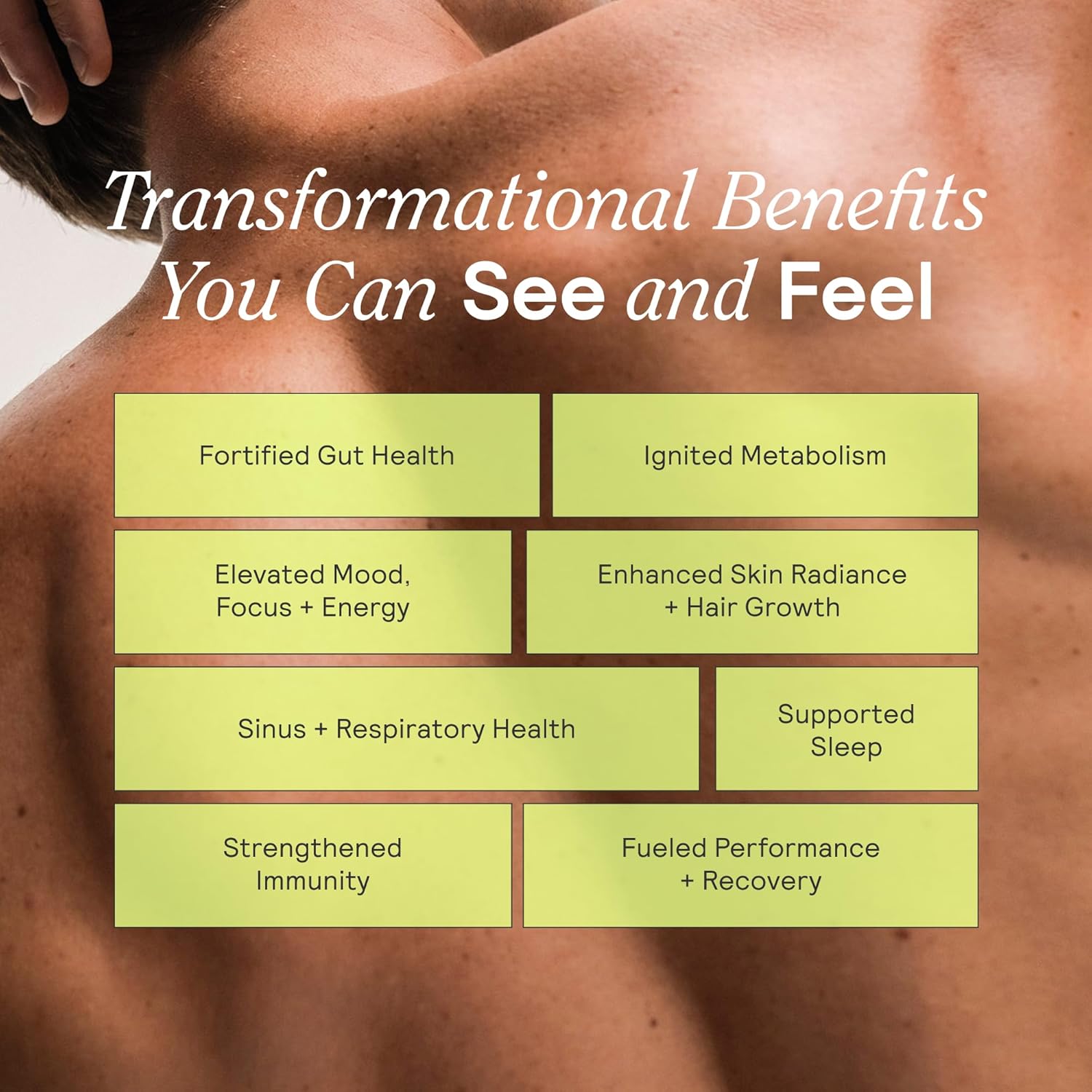
Figure 2: Research-identified benefit categories associated with bovine colostrum bioactive compounds.
Gut Health and the Immune Connection
Approximately 70% of the body's immune tissue resides in the gut, making the intestinal microbiome a critical mediator of immune function. A 2025 longitudinal study conducted at Johns Hopkins University tracked 340 participants over 12 months and found that those with greater gut microbiome diversity reported fewer instances of seasonal immune challenges.
"The gut-immune axis is one of the most important areas of modern immunology," explained Dr. Marcus Chen, a gastroenterologist and researcher at the University of Michigan. "Understanding how natural compounds interact with the intestinal environment could open new pathways for supporting overall wellness."

Figure 3: Responsible sourcing practices ensure colostrum quality from grass-fed cows on family-owned U.S. dairy farms.
Clinical Evidence: What the Numbers Show
In a dual-arm, third-party clinical trial, participants taking bovine colostrum concentrate daily for three months demonstrated measurable improvements across multiple health markers:
86%
Gut Health
Experienced Less Bloating
80%
Performance
Improved Lean Muscle Mass & Strength
79%
Skin & Hair
Reported Thicker Hair
60%
Metabolism
Reduced Waist Circumference

Figure 4: Results from a dual-arm clinical trial of participants ages 18-65 taking ARMRA Colostrum daily for 3 months. Results may vary.
What Consumers Should Know
While the research is encouraging, experts caution that not all colostrum products are created equal. Processing methods, sourcing, and quality control can significantly affect the concentration and bioavailability of key compounds. The FDA has not evaluated colostrum supplements for the treatment or prevention of any disease, and consumers should consult with healthcare professionals before starting any new supplement regimen.
How Colostrum Supplements Are Typically Used
For those considering colostrum supplementation, understanding proper usage is essential. Most research protocols involve daily consumption, with results typically observed after consistent use over several weeks to months.

Figure 5: Recommended usage instructions for bovine colostrum powder supplements.
Looking Ahead: The Future of Functional Nutrition
As the field of functional nutrition continues to evolve, the intersection of traditional food-based compounds and modern immunology is expected to yield new insights. Several research institutions, including Harvard's T.H. Chan School of Public Health and the University of Wisconsin-Madison, have announced expanded research programs focused on bioactive food components and their role in human health.
ARMRA Bulletin will continue to follow these developments and provide evidence-based reporting on the latest findings. Our editorial team is committed to presenting the science accurately and transparently, empowering readers to make informed health decisions.